Speed foods are one of the key foundations of the Slimming World plan. They’re mostly fruit and vegetables that help you build filling, satisfying meals while keeping calories under control. For official plan information, visit the Slimming World website.
Understanding how Speed foods work alongside Free Foods and Healthy Extras is key to getting the most from the plan.
If you’re new to the plan, you may also like my Slimming World rules guide for a simple overview.
If you’re unsure how Speed foods fit into the bigger picture, read my How Does Slimming World Work (simple explanation) where I explain Free Foods, Healthy Extras and how the plan works day-to-day.
On this page you’ll find a complete Speed foods list for quick reference, plus simple tips on how to use them in everyday meals. Always double-check with your consultant or official member materials if you’re unsure about any item.
Jump to: What are Speed foods? | How to use Speed foods | Fruit list | Vegetable list | FAQs | Download
What Are Speed Foods in Slimming World?
Speed foods are mainly fruit and vegetables that are naturally lower in calories relative to their weight. The general idea is simple: aim to make around one third of your plate Speed foods at main meals to help keep portions satisfying without piling on extra calories.
A good rule of thumb is to mix colours and types across the week (berries, citrus, leafy greens, cruciferous veg, root veg). Many people use Speed foods to bulk out pasta dishes, curries, chilli, stir-fries, soups and breakfasts.
Related: You’ll get the best results when Speed foods are combined with the rest of the plan — see my Free Foods guide and weekly plan.
If you’re aiming to eat more fruit and veg in general, the NHS 5 A Day guidance is a good reference point.
How to use Speed foods (simple examples)
If you’re struggling to hit the “one third Speed” guideline, the easiest approach is to build meals around a Speed base and then add your protein and Free Foods around it. Here are a few quick examples:
Breakfast: berries with fat-free yoghurt, or an omelette packed with tomatoes, spinach and onions
Lunch: big mixed salad bowl with chicken/tuna and a lighter dressing
Dinner: chilli loaded with peppers, onions, tomatoes and mushrooms, served with rice or jacket potato
Snacks: citrus fruit, berries, melon, or crunchy veg sticks
Looking for something quick between meals? Try my Syn-free and low Syn snack ideas.
If you want more easy ideas, check out my Healthy Slimming World Meals post and my SW Tips page for practical shortcuts.
Common mistakes to avoid
- Only adding a tiny side salad — aim for a meaningful portion of Speed foods at meals.
- Forgetting breakfast — adding Speed foods early in the day can help set you up for better choices later.
- Overcomplicating it — frozen veg, chopped salad bags, passata and tinned tomatoes can make it easy.
- Assuming all fruit and veg are always treated the same — if you’re unsure, check official materials or your consultant.
If you’re planning more “Speed-heavy” meals, you may also like my SP recipes.
Speed Foods Fruit List
Below is a full list of fruit commonly classed as Speed foods. These are ideal for breakfasts, snacks and desserts.
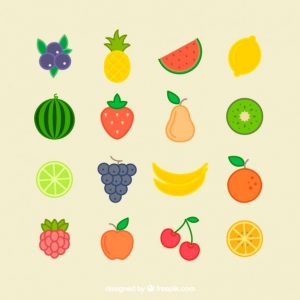
- Apple
- Apricots
- Blackberries
- Blackcurrants
- Blueberries
- Carambola (star fruit)
- Clementines
- Cranberries
- Damsons
- Gooseberries
- Grapefruit
- Guava
- Lemons/limes juice and zest
- Loganberries
- Mandarins
- Melon, all varieties
- Nectarines
- Oranges
- Papaya
- Passion fruit
- Peaches
- Pears
- Plums, all varieties
- Pomelo
- Raspberries
- Redcurrants
- Rhubarb
- Satsumas
- Strawberries
- Tangerines
- Ugli fruit
- Whitecurrants
Speed Foods Vegetable List
Vegetables make up the majority of Speed foods and are easiest to build into lunches and evening meals.
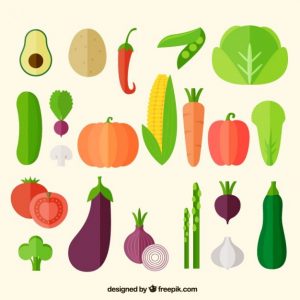
- Acorn squash
- Alfalfa sprouts
- Amaranth leaf
- Artichokes
- Asparagus
- Aubergine
- Baby sweetcorn
- Bamboo shoots
- Bean sprouts
- Beetroot
- Broccoli
- Brussel sprouts
- Butternut squash
- Cabbage, all varieties
- Capers
- Carrots
- Cauliflower
- Celeriac
- Celery
- Chard
- Chicory
- Chillies
- Chinese leaf
- Courgettes
- Cucumber
- Endive
- Fennel
- French / green beans
- Garlic
- Gherkins
- Kale, all varieties
- Leeks
- Lettuce
- Mangetout
- Marrow
- Mushrooms
- Mustard & cress
- Okra
- Onions / pickled onions
- Pak choi
- Peppers / pimentos
- Pumpkin
- Radicchio
- Radishes
- Rocket
- Runner beans
- Samphire
- Shallots
- Spaghetti squash
- Spinach
- Spring greens
- Spring onions
- Sugar snap peas
- Swede
- Tomatillos
- Tomatoes fresh, canned, passata, puree (no added oil)
- Turnip
- Vine leaves
- Water chestnuts
- Watercress
Speed Foods FAQs
Speed foods are mainly fruit and vegetables that are naturally lower in calories relative to their weight. They’re encouraged to help you build bigger, more filling meals while supporting weight loss.
A common guideline is to aim for around one third of your plate as Speed foods at main meals. Many people find this helps with fullness and portion control.
No. Many fruits are Speed foods, but not all fruit is treated the same way on the plan. If you’re unsure about a specific fruit, check your official member materials or ask your consultant.
Many are, but not every vegetable is classed as Speed. Some foods are treated differently depending on how they’re used, so it’s always best to confirm against official guidance if unsure.
Add extra vegetables into sauces, soups and stir-fries, build meals around salad/veg bases, and keep berries/citrus/melon handy for quick snacks.
Download the Speed foods list
Want to keep this list on your phone or fridge? Grab the printable version from my Downloadable Content page.
Next steps: if you’re building meals around Speed foods, you’ll also want to understand Free Foods and plan your week. These pages will help:
Free Foods
Slimming World weekly plan
Remember that guidance can evolve, so if you’re ever unsure about a specific food, check your official member materials or speak to your consultant.